Integrating Loyalty Tiers in UK's Mobile Gaming Ecosystem: Strategic Sequencing of Rewards for Extended Play Sessions
Mia Günther · Jul 11, 2026
Integrating Loyalty Tiers in UK's Mobile Gaming Ecosystem: Strategic Sequencing of Rewards for Extended Play Sessions
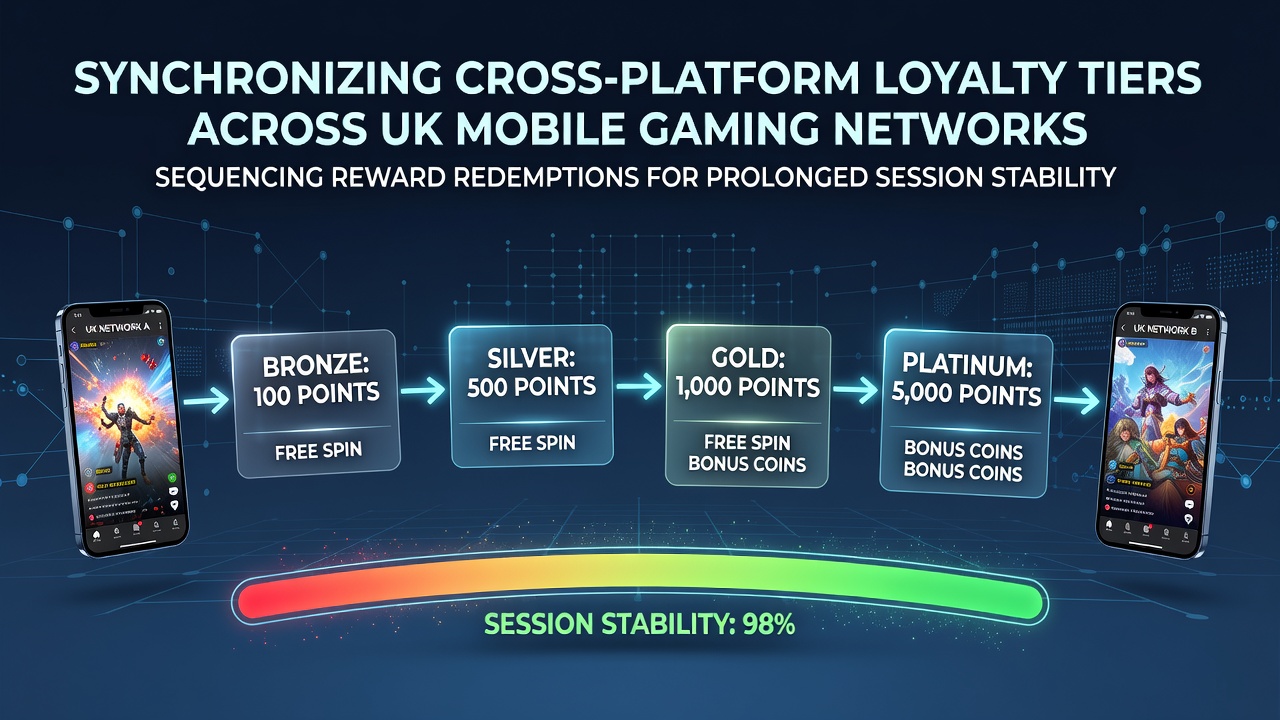
UK mobile gaming networks have expanded rapidly in recent years, prompting operators to align loyalty tiers such as bronze, silver, gold, and platinum across different platforms and apps. This synchronization allows players to maintain consistent status levels when switching between games from various providers, which in turn supports longer engagement periods through coordinated reward structures.
Data from industry analyses indicates that unified tier systems reduce fragmentation, where players previously lost progress when moving between isolated apps. Operators achieve this by linking player accounts via shared identifiers, enabling real-time updates to loyalty points and tier eligibility regardless of the specific network accessed.
Mechanics of Cross-Platform Tier Alignment
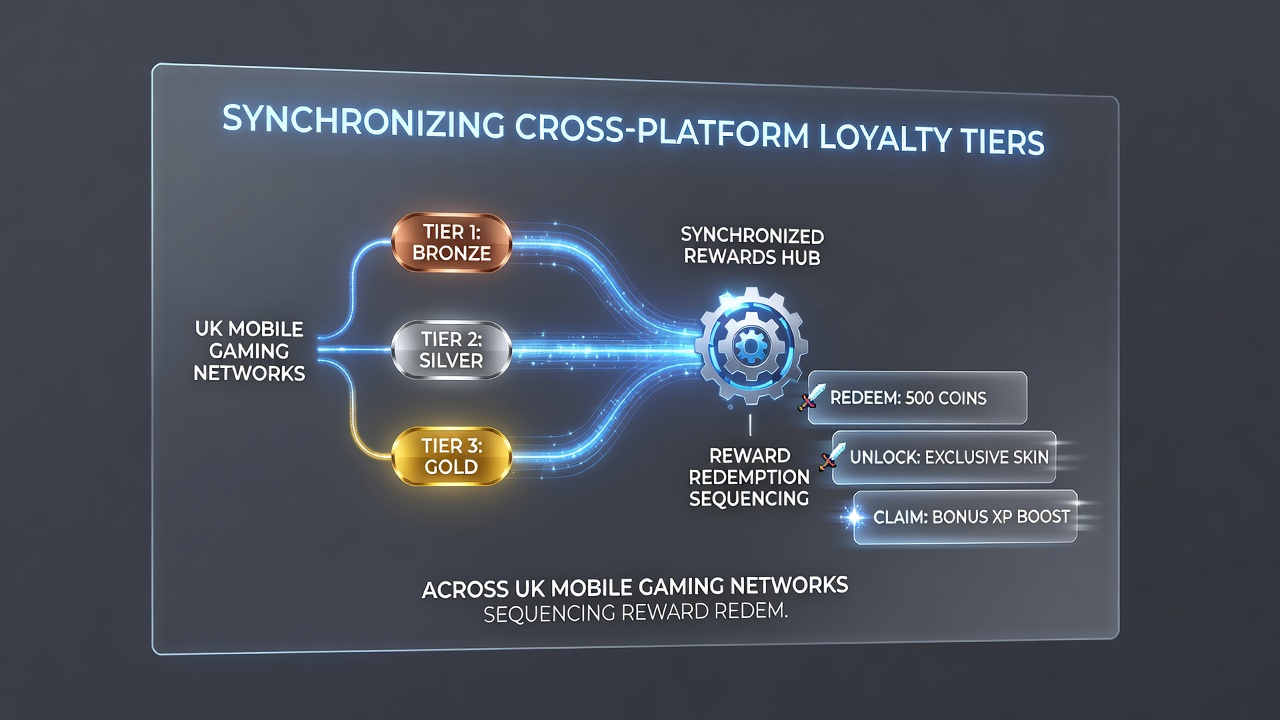
Alignment begins with centralized databases that track activity across participating networks, so a player earning points on one mobile slot title automatically reflects those gains in connected live dealer environments. Studies from research institutions show this approach minimizes duplicate account creation, while ensuring tier benefits like bonus multipliers apply uniformly.
Sequencing reward redemptions plays a central role here. Rather than allowing immediate cash-outs of loyalty points, systems stagger releases based on session duration and activity thresholds, which helps sustain play without abrupt interruptions. For instance, early redemptions might unlock smaller credits, whereas later sequences in a prolonged session release higher-value items such as free spins or entry into exclusive tournaments.
Implementation Patterns Observed in 2025-2026
Networks rolled out phased integrations throughout 2025, with broader adoption scheduled for July 2026 when several major platforms plan to activate full interoperability protocols. These updates rely on standardized APIs that facilitate data exchange between competitors without compromising individual security measures. According to reports from the American Gaming Association, similar synchronization models in other regions have demonstrated measurable increases in average session lengths when redemption timing aligns with player behavior data.
One notable pattern involves conditional sequencing: players must reach certain activity milestones before accessing the next reward layer, which prevents early exits and encourages continued participation across multiple games. This method draws from patterns documented in academic papers on behavioral economics in digital entertainment, where timed incentives correlate with higher retention metrics.
Technical Considerations and Data Handling
Developers employ encryption protocols alongside tier synchronization tools to protect user information during cross-network transfers. Figures from the Australian Communications and Media Authority reveal that jurisdictions with mature cross-platform systems report lower instances of account disputes when redemption sequences incorporate verification steps at each tier level.
Session stability improves further when networks incorporate predictive algorithms that adjust redemption windows based on historical play patterns. These tools identify optimal intervals for releasing rewards, balancing player satisfaction with operational requirements for prolonged engagement. Observers note that such adjustments often result in fewer mid-session drop-offs compared to unstructured redemption models.
Examples from Network Partnerships
Take the case of partnerships between independent mobile studios and larger aggregators, where shared loyalty ledgers have been tested since late 2024. Players progressing through sequenced redemptions report sustained access to escalating benefits, such as tiered cashback that unlocks only after cumulative playtime thresholds are met. Industry organizations like the European Gaming and Betting Association have compiled data showing these layered approaches support consistent activity levels across diverse game types.
Additional examples include integrations involving live casino streams and casual mobile titles, where a single tier status governs access to both high-stakes tables and quick-play formats. Redemption sequencing in these setups typically prioritizes non-monetary rewards early in sessions before transitioning to direct credits, a structure that maintains momentum without requiring constant external deposits.
Outlook for July 2026 and Beyond
Preparations for July 2026 focus on refining these sequences through enhanced analytics that incorporate real-time feedback loops from active players. Updated frameworks aim to standardize redemption pacing across an even wider array of networks, drawing on global benchmarks to refine local implementations. This evolution aligns with broader trends in digital loyalty management, where sequenced incentives have proven effective at extending interaction periods in comparable entertainment sectors.
Conclusion
Cross-platform loyalty tier synchronization combined with deliberate reward sequencing represents a structural shift in how UK mobile gaming networks manage player progression. As implementations advance toward mid-2026 milestones, the emphasis remains on coordinated data systems and timed redemptions that promote session continuity across interconnected apps and services. These developments continue to evolve based on aggregated performance metrics and technical refinements from multiple industry contributors.