Interlinked Reward Ecosystems: Extending Engagement Across Digital Platforms
Mia Günther · Jun 13, 2026
Interlinked Reward Ecosystems: Extending Engagement Across Digital Platforms
Digital platforms have developed complex networks of interconnected rewards that link points, bonuses, and incentives across multiple services, allowing users to extend their time on sites through layered benefits that transfer between applications and partners. These systems operate by connecting user accounts so activity on one platform feeds into others, creating pathways where accumulated value encourages continued participation rather than isolated sessions. Observers note that such frameworks rely on shared data protocols and partnership agreements among operators, which enable seamless transfers while complying with regional standards for user tracking and reward distribution.
Core Mechanics of Cross-Platform Integration
Users encounter these ecosystems when they register for a primary service that automatically syncs with affiliated apps, turning everyday actions like logging in or completing tasks into transferable credits usable elsewhere. Data indicates that integration often involves API connections between gaming, entertainment, and retail platforms, where progress bars or tier levels carry over to unlock shared perks such as free access periods or multiplier effects on future activity. Researchers have documented how these links reduce friction for participants who might otherwise switch between unrelated services, instead channeling their efforts into sustained loops that build over days or weeks.
What's notable is the role of tiered membership structures, where basic users start with entry-level rewards that escalate based on combined metrics from all linked sites. This setup encourages exploration of partner offerings because advancing one account's status automatically elevates benefits everywhere else in the network. Studies from academic institutions have shown that such mechanics can increase average session durations by aligning short-term goals with longer-term accumulation targets across the entire ecosystem.
Regional Variations and Implementation Patterns
Platforms in North America frequently tie rewards to loyalty cards that span casino floors and online portals, while European operators emphasize mobile app integrations that connect streaming services with interactive gaming modules. Australian examples demonstrate how retail partnerships feed into digital wallets, allowing points earned from purchases to convert directly into session extensions on entertainment sites. These differences arise from local regulations and consumer habits, yet the underlying principle remains consistent: interconnected data flows that reward consistent cross-platform behavior.
Technical Foundations Supporting Longevity
Backend systems use blockchain elements in some cases to verify transfers without central bottlenecks, ensuring that reward balances update in real time as users move between interfaces. Industry reports highlight that cloud-based dashboards give participants visibility into their total ecosystem standing, complete with projections for upcoming unlocks based on projected activity levels. This transparency helps maintain momentum because individuals can plan sessions around when combined thresholds will trigger additional extensions or enhanced features.
Turns out that security protocols play a central part too, with multi-factor authentication and encrypted ledgers protecting the integrity of linked accounts against unauthorized shifts in value. Organizations such as the American Gaming Association have compiled data on how robust verification reduces drop-off rates when users trust that their accumulated rewards remain secure across boundaries.
Case Examples from Operational Networks
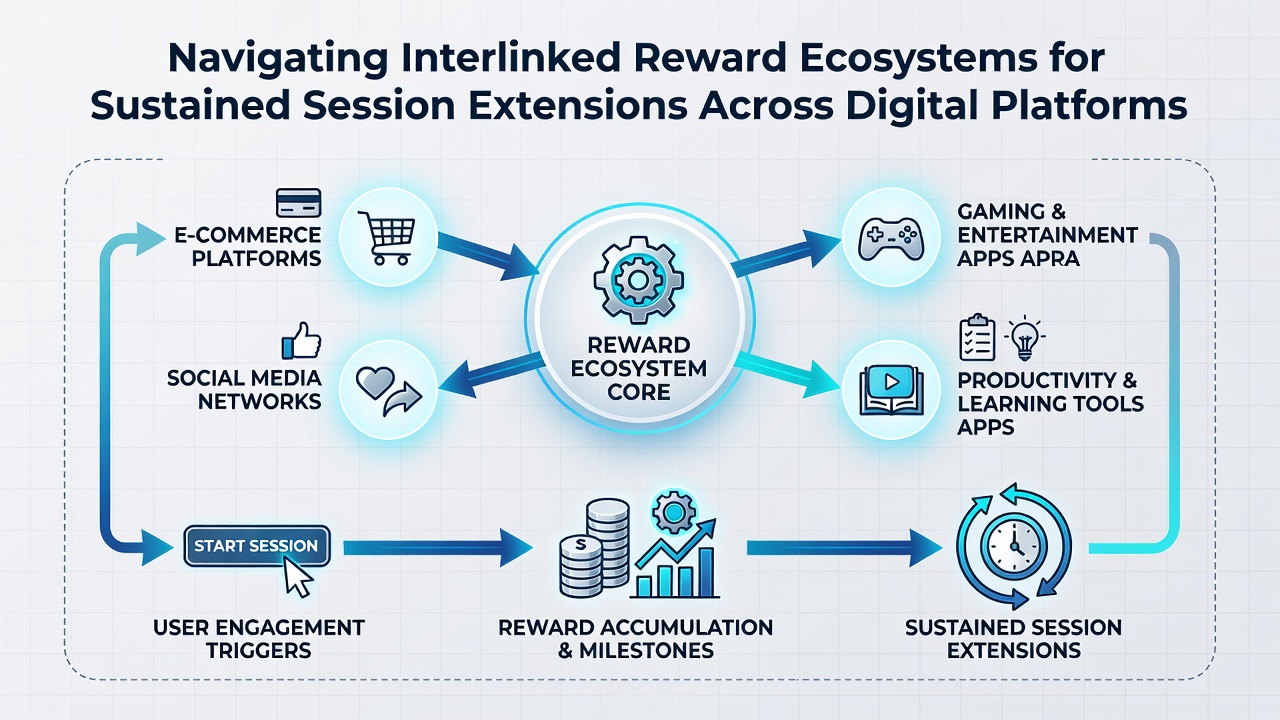
One documented network involves a major entertainment provider that merged its streaming rewards with a separate gaming division, resulting in users who watch content earning credits applicable to interactive sessions. Participants in this setup often report chaining activities so that evening viewing leads directly into extended play periods the following day, with carry-over multipliers amplifying the effect. Similar patterns appear in Asian markets where social media platforms link to mobile games, allowing likes and shares to generate session tokens that persist across multiple titles.
Evidence from university-led analyses points to measurable outcomes where interconnected systems correlate with higher retention figures compared to standalone programs. For instance, when rewards reset on a single platform users tend to disengage faster, whereas shared ecosystems create ongoing incentives that bridge gaps between visits. Those who've examined user logs across several operators note that June 2026 projections from multiple research consortia anticipate further standardization of these transfer protocols, potentially expanding reach into additional device types and service categories.
Challenges in Maintaining Balanced Ecosystems
Operators must navigate compatibility issues when updating one part of the network, as changes to scoring algorithms can ripple through linked services and alter user expectations. Regulatory bodies in various jurisdictions require clear disclosures about how data moves between partners, which adds layers of compliance that shape the design of reward pathways. Despite these hurdles, the structures continue evolving because the economic model favors prolonged engagement that spreads activity evenly rather than concentrating it in bursts.
Yet the reality remains that not all users engage equally with every connected element, leading developers to refine targeting so that personalized suggestions highlight the most relevant extensions available at any moment. This adaptive approach draws from aggregated patterns rather than individual tracking alone, preserving broader applicability while still delivering value that sustains longer interactions.
Conclusion
Interlinked reward ecosystems represent a mature approach to digital engagement that prioritizes continuity across platforms through technical integration and strategic partnerships. As developments unfold toward June 2026, further refinements in data handling and cross-regional standards will likely shape how these networks expand while addressing operational and compliance requirements. Observers continue to track these systems because their influence on session patterns provides concrete examples of how interconnected incentives function in practice across diverse digital environments.