Mapping Connected Wager Adjustments Across Varied Game Sequences in Certified Digital Betting Environments
Viktor Simon · Jun 22, 2026
Mapping Connected Wager Adjustments Across Varied Game Sequences in Certified Digital Betting Environments
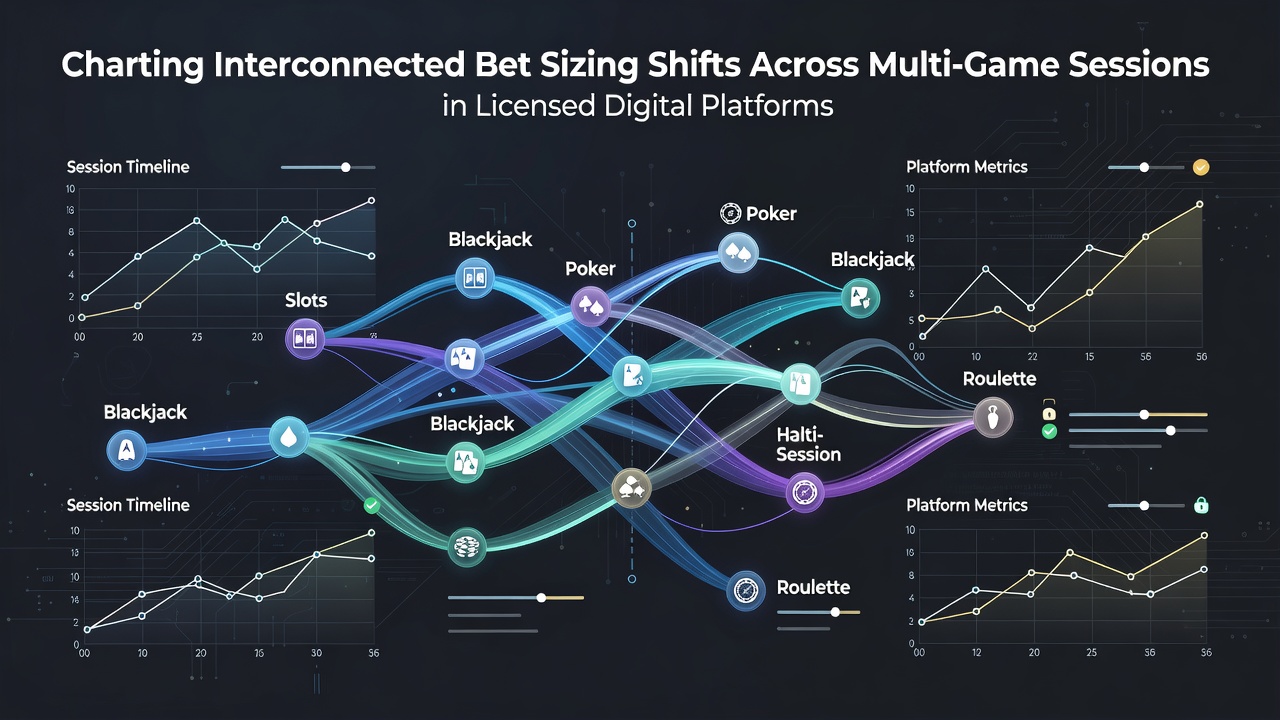
Players on licensed digital platforms often adjust their stake levels as they move between game types during extended sessions, and observers note that these modifications create interconnected patterns worth systematic examination. Research indicates that such shifts occur in response to game rules, payout structures, and session progression, while data from platform analytics reveals measurable connections between initial bets in one game and subsequent decisions in others.
Understanding Core Mechanisms Behind Stake Modifications
Bet sizing adjustments typically begin with a base amount selected at the start of a session, yet they evolve as participants encounter different mechanics across slots, table games, and video poker variants. Studies from academic institutions show that individuals frequently increase stakes after wins in low-volatility options and decrease them following sequences of losses in higher-risk formats, and these behaviors link directly to cumulative session outcomes rather than isolated game events. Platforms licensed in multiple jurisdictions record these changes through timestamped logs that connect actions across titles, which allows analysts to trace how a single adjustment influences later choices in unrelated games.
Data Collection Approaches Used by Licensed Operators
Operators employ integrated tracking systems that capture wager amounts, game transitions, and time intervals between rounds, and figures from industry reports demonstrate that sessions spanning three or more game categories produce richer datasets than single-game play. In June 2026 several major platforms updated their internal dashboards to highlight cross-game correlations, which enabled more precise mapping of how early stake increases in one category predict similar moves later on. Those who analyze such records find that external factors like bonus triggers or progressive jackpot contributions often amplify the interconnections, since a large payout in one game tends to prompt elevated betting in the next selection.
Examples of Cross-Game Linkages Observed in Practice
Take one documented case where session data from a European licensed site revealed that participants who raised bets by 50 percent after a blackjack win subsequently applied similar increases when switching to roulette, and this pattern repeated across hundreds of recorded sessions. Another instance from North American regulated environments showed that initial conservative sizing in slot play correlated with reduced wagers during later poker segments, particularly when overall session profit remained flat. These examples illustrate how adjustments do not remain confined to individual titles but instead form chains that span an entire multi-game experience.
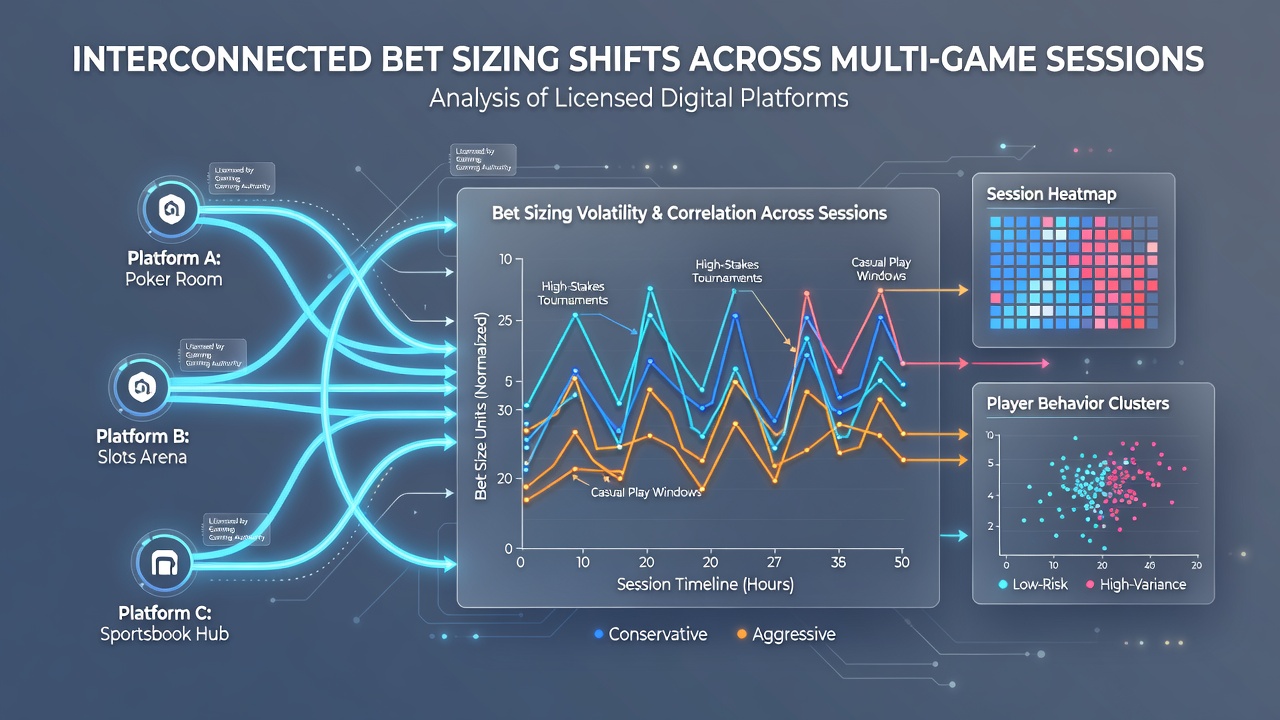
What's interesting is that software tools now allow real-time visualization of these chains, and researchers at various universities have published papers detailing algorithms that identify clusters of similar adjustment behaviors among different user groups. Data indicates that such clusters appear more frequently in sessions lasting beyond forty-five minutes, where fatigue and changing game dynamics compound the effects of earlier decisions.
Regulatory Frameworks Supporting Transparent Tracking
Authorities in regions such as Australia and Canada require licensed operators to maintain comprehensive records of player activity, and this includes the ability to reconstruct bet sizing sequences across multiple titles. Reports issued by bodies like the Australian Communications and Media Authority highlight how these requirements help identify unusual patterns without restricting legitimate play, while similar guidelines from the Nevada Gaming Control Board emphasize data integrity for audit purposes. Observers note that platforms meeting these standards often share anonymized aggregates with research partners, which expands the available knowledge base on interconnected adjustments.
Technological Tools Facilitating Analysis
Modern platforms integrate application programming interfaces that feed bet data into visualization software, and this setup permits users or analysts to generate graphs showing stake evolution over time and across game switches. Evidence suggests that machine learning models trained on historical session logs can predict likely future adjustments with measurable accuracy, although operators apply these predictions primarily for compliance monitoring rather than direct intervention. Those who've examined the outputs discover that certain game combinations, such as moving from video poker to live dealer tables, produce more pronounced shifts than others.
Broader Implications for Session Management Features
Platform designers incorporate optional session summaries that display bet history across all played titles, and this feature helps participants review their own adjustment patterns after the fact. Industry organizations such as the European Gaming and Betting Association have referenced these tools in discussions about responsible gaming infrastructure, while academic studies continue to explore correlations between specific shift sequences and overall session duration. Figures reveal that sessions incorporating deliberate stake recalibrations at game boundaries tend to show different length distributions compared with static betting approaches.
Conclusion
Systematic charting of interconnected bet sizing shifts provides a clearer picture of how activity unfolds across multi-game sessions on licensed digital platforms, and ongoing developments in data handling continue to refine the available insights. Research from multiple regions supports the value of these analyses for both operational oversight and player awareness, while updates scheduled through 2026 promise further enhancements in tracking precision and cross-platform comparability.