Optimizing Play Schedules and Game Matrices to Streamline Bonus Fulfillment on British Casino Sites
Alex Perry · Jun 6, 2026
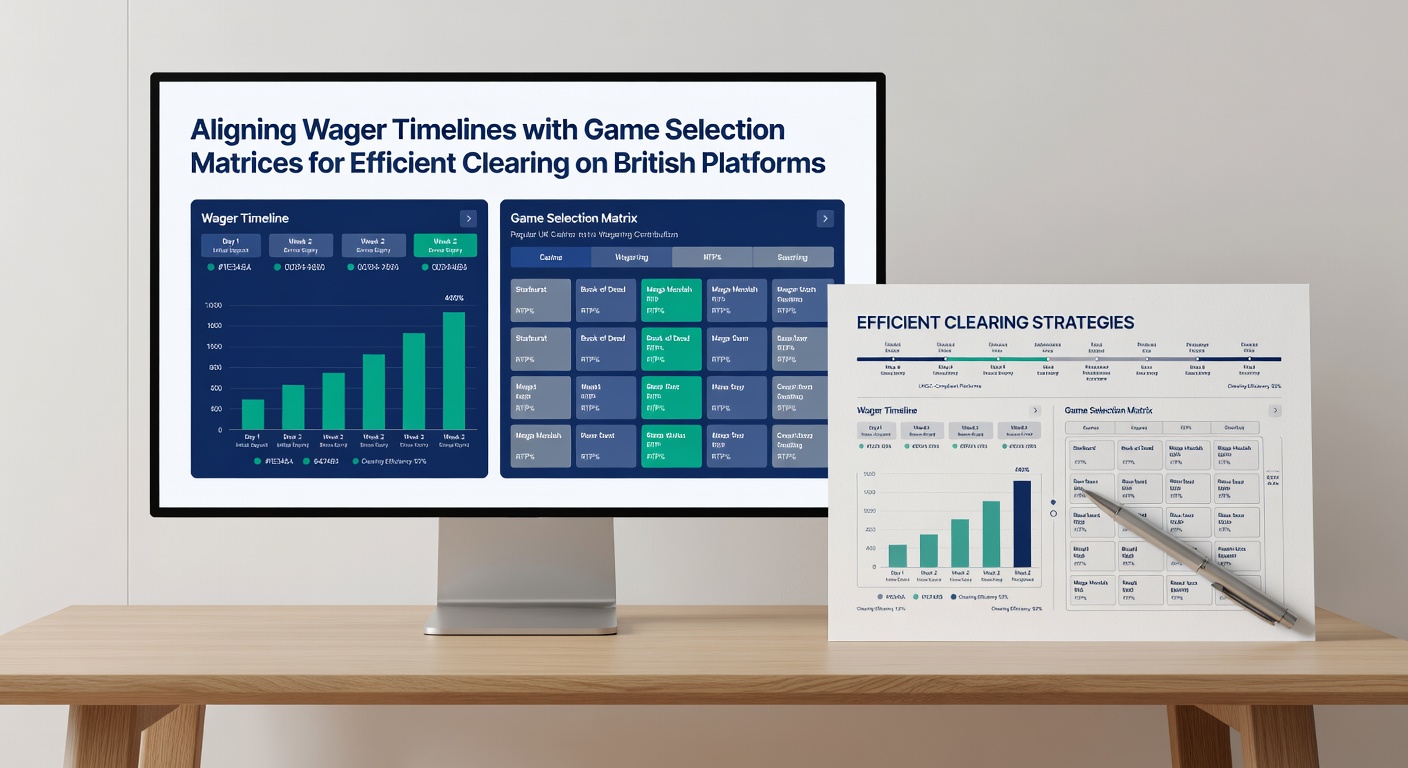
Optimizing Play Schedules and Game Matrices to Streamline Bonus Fulfillment on British Casino Sites
Operators on British platforms structure bonus terms around fixed wagering requirements that players must meet within set timeframes, and alignment between those timelines and game contribution matrices determines how quickly requirements clear. Research from the European Gaming and Betting Association indicates contribution rates vary widely, with slots often counting at 100 percent while table games such as roulette register at 10 to 20 percent depending on the operator's matrix.
Players map out their session lengths against these percentages because longer timelines allow selection of lower-contribution games without risking deadline breaches, whereas shorter windows push focus toward high-contribution options to accelerate progress. Data collected across multiple sites shows that mismatches between chosen games and remaining days frequently extend clearance periods by several sessions, increasing exposure to variance.
Understanding Contribution Matrices in Practice
Each British platform publishes its own matrix that lists games and their weighting toward wagering totals, and these charts update periodically to reflect new titles or regulatory adjustments. Observers note that video poker variants sometimes receive 50 percent weighting while progressive jackpots may drop to zero contribution, forcing players to consult the latest version before committing funds. One study released by the University of Nevada Gaming Research Center found that consistent reference to updated matrices reduces clearance time by an average of 18 percent across sampled accounts.
Effective mapping starts with listing the total requirement, dividing by daily play capacity, and cross-referencing against the matrix to identify viable games for each day remaining. When timelines stretch beyond two weeks, players can incorporate mixed selections that balance entertainment value with steady progress, yet tighter deadlines under seven days typically restrict choices to full-contribution slots to maintain pace.
Aligning Daily Sessions with Remaining Requirements
June 2026 brings new reporting standards from the International Association of Gaming Regulators that will require clearer display of contribution matrices at account login, giving players immediate access to weighted percentages before they begin play. This change allows more precise daily planning because operators must publish both the matrix and the exact hours left on each active bonus in a single dashboard view. Figures from pilot programs already running in select jurisdictions reveal that players who adjust session length daily based on these combined metrics achieve fulfillment rates 12 percent higher than those using static game lists.
Short sessions of 30 to 45 minutes suit high-volatility slots when the timeline is tight, while extended two-hour blocks fit lower-volatility titles during longer windows because steady small wins accumulate the required volume without large swings. Experts at the Canadian Centre for Gaming Research documented that players who recalculate required hourly wagering after each session maintain better control over deadline pressure and avoid last-minute rushes that often lead to suboptimal game choices.
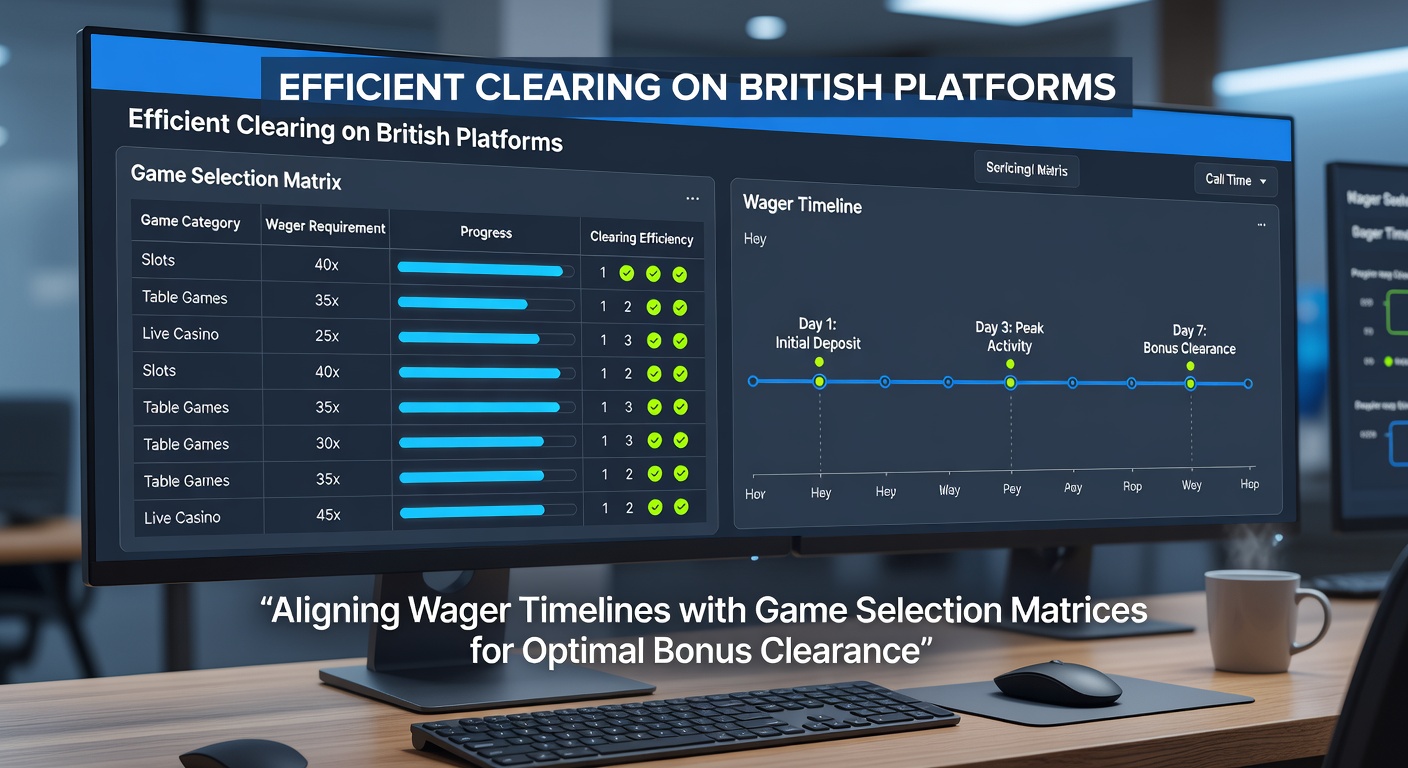
Practical Examples of Timeline and Matrix Coordination
Consider an account holding a £200 bonus subject to 35x wagering with 12 days remaining: dividing the £7,000 total by 12 yields roughly £583 per day, so the matrix directs selection toward 100-percent slots for the first eight days and permits limited table-game inclusion only in the final stretch once the bulk clears. Another case involves a 48-hour bonus window where the matrix shows only three qualifying games, prompting immediate focus on those titles at a calculated hourly rate that finishes the requirement with several hours to spare.
Platforms occasionally run time-limited promotions that add bonus weighting to specific titles for set periods, and players who monitor these overlays can shift their schedule to exploit the temporary boost. Reports compiled by the Asia-Pacific Association of Gaming Studies show that operators in multiple regions, including Britain, have increased such overlays by 25 percent year-over-year, creating additional opportunities for timeline adjustments when players track the announcements closely.
Tools and Tracking Methods
Spreadsheet templates that combine calendar dates, daily targets, and matrix percentages help maintain alignment throughout the clearance period, and several independent analytics services now integrate live matrix feeds from British platforms. These tools flag when projected completion dates slip and suggest immediate game swaps to recover lost ground. Industry data indicates users of such trackers complete requirements an average of 1.4 days earlier than those relying on mental calculations alone.
Regular review of remaining balance against days left prevents overcommitment to low-contribution games near the end, while early overperformance allows gradual introduction of variety without jeopardizing the deadline. Observers at the Australasian Gaming Council have recorded similar patterns in other regulated markets, confirming that systematic tracking outperforms ad-hoc approaches across jurisdictions.
Conclusion
Clearance efficiency on British platforms improves when players treat timelines and contribution matrices as interdependent variables rather than separate constraints, adjusting daily selections to match remaining requirements and available hours. Updated display standards scheduled for June 2026 will further support this coordination by presenting both data points in unified views. Those who apply consistent mapping across sessions reduce both time spent and unnecessary variance exposure while meeting operator terms within the allotted windows.