Resource Dynamics in Digital Gaming: Shifts Between Reel Machines and Card Tables
Ines Schmidt · Aug 10, 2026
Resource Dynamics in Digital Gaming: Shifts Between Reel Machines and Card Tables
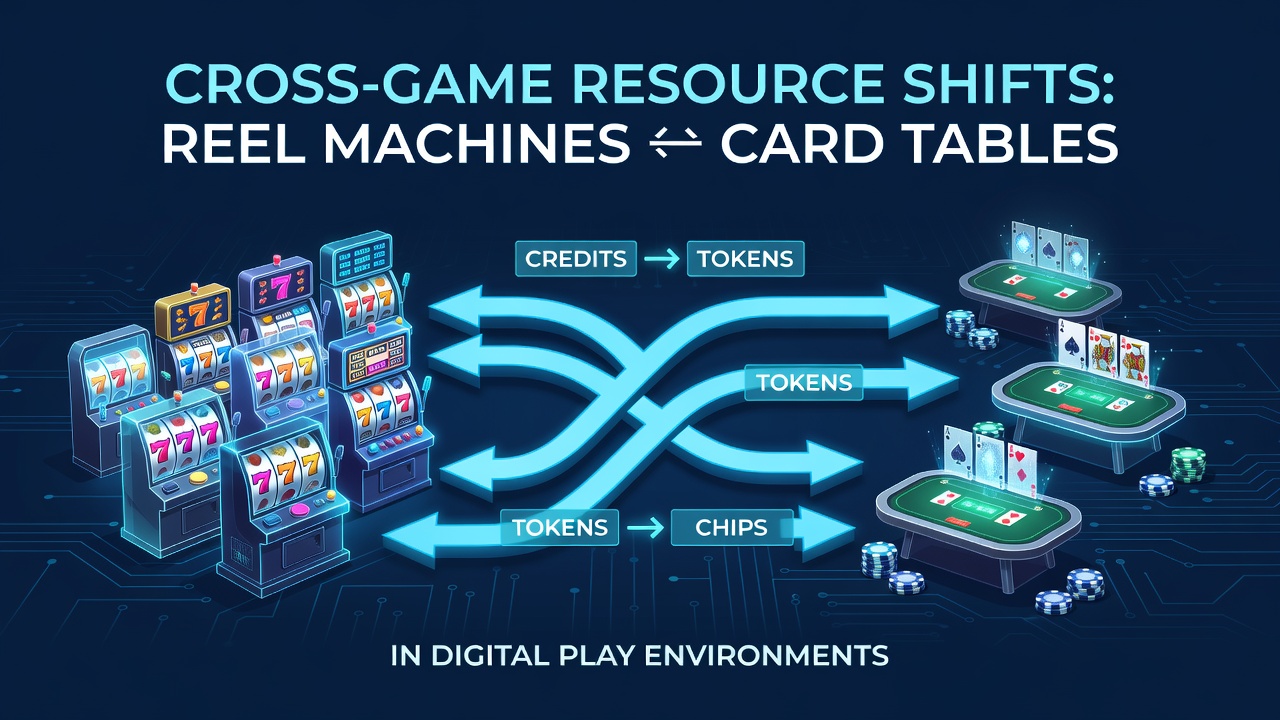
Digital play environments have seen measurable movements in how players allocate time and funds across reel-based machines and card table offerings, with data from multiple regions indicating patterns that operators track through session logs and transaction records. Observers note that these shifts often correlate with game availability, payout structures, and promotional incentives rather than isolated player preferences alone.
Understanding Cross-Game Resource Allocation
Reel machines, characterized by fixed spin mechanics and progressive jackpots, draw resources in bursts that differ from the sustained decision points typical at card tables. Studies from North American regulatory bodies, including the Nevada Gaming Control Board, show that digital platforms record average session lengths for slots at 12 to 18 minutes before players redirect portions of remaining balances toward table variants. Card tables in the same environments extend play intervals through interactive elements, yet the transition points frequently align with volatility thresholds reached on reel devices.
Researchers at European academic institutions have compiled transaction datasets that reveal consistent migration rates, particularly during peak evening hours when live dealer integrations become active. These migrations do not follow linear paths; instead, players often test small increments on one category before committing larger portions, creating traceable resource flows within single accounts.
Factors Driving the Observed Shifts
Platform algorithms adjust visibility of game categories based on historical engagement metrics, which in turn influences where resources concentrate. When reel machines display temporary boosts in return-to-player percentages, initial deposits tend to cluster there before spillover occurs toward card tables once certain win thresholds trigger. Conversely, card table environments with side-bet options can pull resources away from reels when progressive elements activate across connected networks.
Data compiled by industry research groups in Australia and Canada indicates that seasonal events, such as tournament schedules launching in August 2026, accelerate these movements as players consolidate balances to meet entry requirements across both formats. Mobile interfaces further facilitate rapid switches, with session handoffs occurring within seconds rather than requiring separate logins or fund transfers.
Tools and Methods for Charting These Patterns
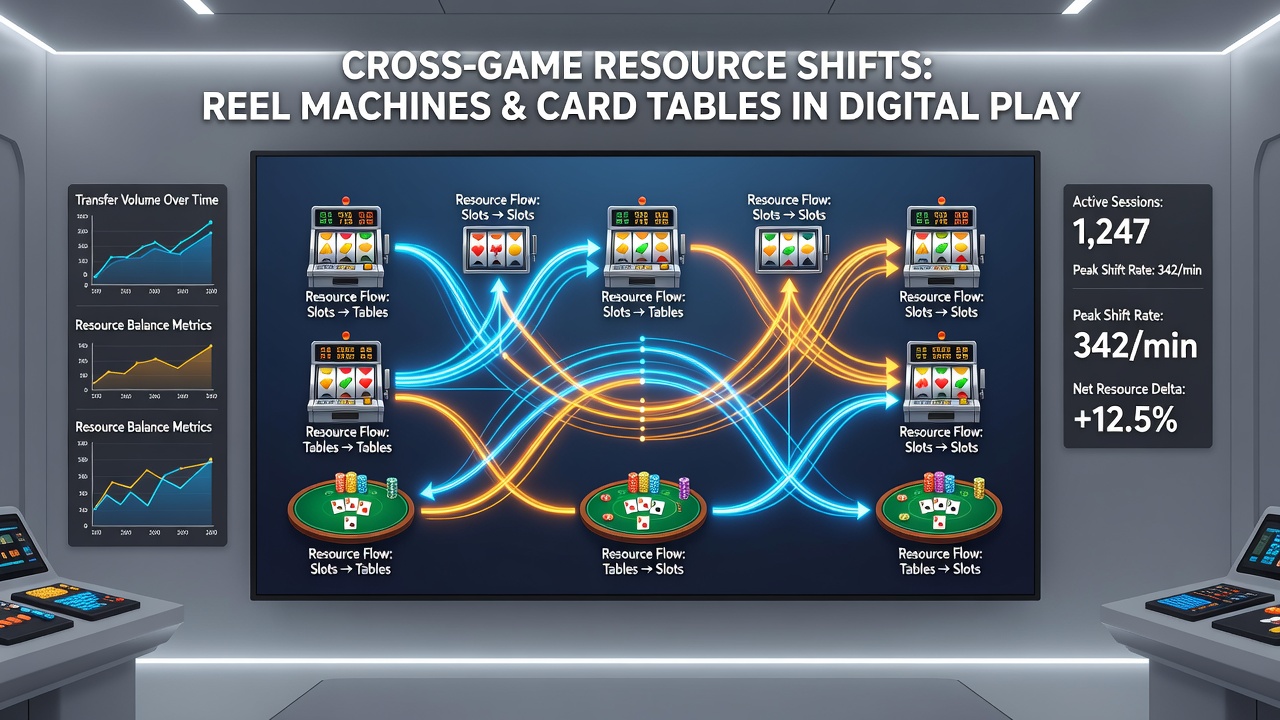
Operators employ heat-mapping software that overlays deposit origins with subsequent game selections, allowing precise visualization of resource trajectories. University-led analyses in the United States have demonstrated that combining timestamped bet data with category switches produces reliable models for predicting future allocations. These models rely on variables such as average bet size per category and frequency of category changes within single sessions.
Third-party analytics providers supply standardized reporting frameworks that aggregate anonymized player journeys across multiple sites, revealing regional variations without disclosing individual identities. One study released through Canadian research networks highlighted how loyalty point redemption rates differ markedly between reel and table segments, providing another layer for mapping resource priorities.
Regional Data Comparisons
Figures from Asia-Pacific markets show higher retention on reel machines during initial platform entry, followed by gradual redistribution toward card tables as familiarity increases. European datasets, gathered through cross-border operator consortia, point to promotional bundling as a key accelerator, where free spin credits on reels convert into table play credits at conversion rates tracked in real time.
North American records emphasize the role of regulatory caps on certain features, which can redirect resources when specific reel configurations become restricted. Observers tracking these adjustments note that card table volumes often rise in response, maintaining overall platform activity levels even as individual category distributions change.
Conclusion
Resource shifts between reel machines and card tables in digital environments reflect interconnected platform mechanics, player behavior logs, and external scheduling factors. Continued collection of transaction and session data across jurisdictions supports increasingly detailed charting methods that operators and researchers apply to understand allocation trends. As digital interfaces evolve through 2026 and beyond, these patterns remain central to operational planning in multi-category gaming spaces.