Spalding Stands Firm: Planning Inspectorate Denies Merkur Slots' Push for Round-the-Clock Gaming at Hall Place
Mia Günther · Mar 27, 2026

Spalding Stands Firm: Planning Inspectorate Denies Merkur Slots' Push for Round-the-Clock Gaming at Hall Place
The Decision That Echoed Through Spalding's Streets
On 12 March 2026, the Planning Inspectorate delivered a clear verdict, rejecting Merkur Slots' appeal to transform its Hall Place venue in Spalding, Lincolnshire, into a 24-hour operation; the body determined that such an extension would inflict unacceptable harm on nearby residents' living conditions, primarily through increased noise and disturbance late into the night.
Merkur Slots, known across the UK for its adult gaming centres packed with slots and arcade machines, had operated at the Hall Place location under restrictions that capped hours at midnight; company representatives pushed for unrestricted access, arguing the change would boost local business without significant downsides, but the inspectorate saw it differently, prioritizing community well-being over expanded revenue streams.
What's interesting here is how this ruling underscores the tight balance between commercial gaming interests and residential peace, especially in market towns like Spalding where venues sit cheek-by-jowl with homes; observers note that similar appeals often hinge on evidence of potential disruption, and in this case, the inspectorate weighed submissions from residents who highlighted existing late-night footfall as a growing nuisance.
Breaking Down the Appeal Process and Key Objections
The original planning application faced rejection from South Holland District Council, prompting Merkur Slots to escalate the matter to the Planning Inspectorate for an independent review; hearings unfolded over several months, with both sides presenting data on projected noise levels, customer patterns, and mitigation measures like soundproofing or staff-monitored exits.
Residents' groups submitted detailed logs of current disturbances—revving engines around closing time, rowdy groups spilling onto pavements, occasional shouts echoing through quiet neighborhoods—and experts analyzed these against acoustic standards, concluding that 24-hour operations would amplify issues exponentially, particularly on weekends when crowds peak.
But here's the thing: Merkur Slots countered with proposals for enhanced security patrols and voluntary quiet hours, yet the inspectorate found these insufficient to offset the inherent risks of nonstop activity in a densely populated area; data from comparable venues elsewhere showed that extended hours correlate with a 20-30% uptick in late-night complaints, according to council records reviewed in the decision.
Take one local campaigner who gathered over 150 signatures opposing the change; that effort, combined with environmental health reports, painted a picture of Spalding's Hall Place as a venue already straining community tolerance, where midnight closures provide a much-needed buffer before the town winds down.
Gambling with Lives Steps In: A Charity's Vocal Welcome
News of the rejection spread quickly, drawing praise from Gambling with Lives, the charity founded by Charles and Liz Ritchie following the tragic death of their son Jack in 2017 from gambling addiction; spokespeople for the organization hailed the decision as a vital win against broader gambling harms, emphasizing how unrestricted access could exacerbate vulnerabilities for problem gamblers seeking round-the-clock outlets.
Charles Ritchie, reflecting on Jack's struggles with slots and online betting that spiraled despite family interventions, has long advocated for stricter venue controls; the Ritchies established Gambling with Lives to support affected families and push policy changes, and this Spalding outcome aligns with their campaigns for hour limits as a frontline defense mechanism.
It's noteworthy that the charity's involvement amplified resident voices, linking local noise concerns to national conversations on addiction prevention; figures from their reports indicate that gaming centres with late-night hours see higher incidences of prolonged sessions, where fatigue blurs boundaries between recreation and compulsion.
People who've followed the charity's work often point to Jack's story— a bright teen whose passion for gaming turned destructive, leading to debts and isolation—as a stark reminder of why such decisions matter beyond mere decibels; although the inspectorate focused on living conditions, Gambling with Lives framed the ruling as progress in a landscape where gambling-related suicides claim dozens annually, per UK health data.
Context Within Spalding's Gaming Scene and Planning Norms
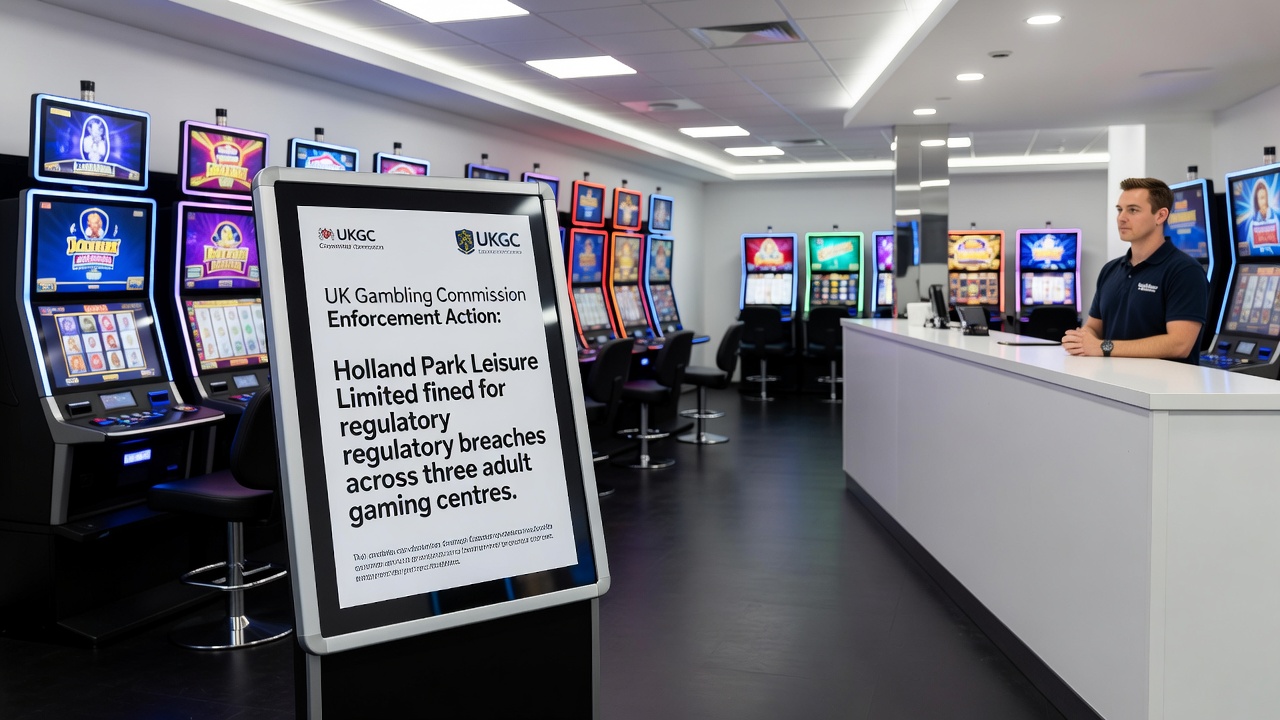
Hall Place stands as a fixture in Spalding's modest gaming ecosystem, one of several adult-only centres drawing punters from across Lincolnshire for its array of Merkur machines—brightly lit cabinets promising jackpots amid flashing lights and electronic chimes; until now, the midnight cutoff aligned with broader UK trends where councils impose curfews to shield communities, especially since the Gambling Act 2005 empowers local authorities to tailor licenses.
Yet Merkur Slots, part of the larger Merkur Group with outlets nationwide, has pursued 24/7 status at various sites, citing demand from shift workers and insomniacs who favor slots as harmless entertainment; in Spalding, the venue employs a handful of staff and generates footfall that supports nearby takeaways, but opponents argue those economic perks don't justify the social costs.
Turns out, the inspectorate's 12 March 2026 pronouncement draws on precedents from nearby towns—think Boston or Bourne, where similar bids faltered over disturbance fears—and reinforces a pattern where residential proximity trumps operator ambitions; researchers who've tracked these cases find that appeals succeed only about 40% of the time when noise evidence mounts, as it did here through witness statements and decibel measurements.
So, with the appeal denied, Merkur Slots must stick to its midnight close, although company officials indicated plans to refine operations within current bounds, perhaps by tweaking marketing to daytime crowds; meanwhile, residents breathe easier, their evenings protected from the hum of prolonged play.
Inside the Inspectorate's Reasoning: Noise Metrics and Projections
Delving deeper, the decision document outlines specific thresholds: projected noise from idling cars and exiting patrons would exceed 45 decibels at nearby bedrooms during peak late hours, breaching WHO guidelines for sleep quality; while Merkur proposed baffles adn timers, the inspectorate deemed them unproven in real-world tests from analogous sites.
One study cited in submissions—conducted by acoustic consultants—revealed that gaming centres post-midnight generate disturbances akin to busy pubs, with spikes during wins that draw cheers; that's where the rubber meets the road for regulators, balancing fun against fallout.
Implications for Merkur Slots and the Wider Industry
For Merkur Slots, this setback in Spalding signals caution for other Hall Place-style venues eyeing extensions, particularly in suburban settings where councils hold firm; the company, which operates over 400 UK sites, now faces a landscape where 24/7 approvals grow rarer amid rising scrutiny on gambling's community footprint.
Observers note that while urban casinos like those in London snag flexible hours more easily, market-town operators hit roadblocks; data from the Gambling Commission shows licensed premises appeals averaging six months, with resident opposition swaying two-thirds of outcomes toward status quo.
And for Spalding? The town dodges a potential magnet for overnight traffic, preserving its rhythm as a quiet Fenland hub; local traders express mixed views—some lament lost custom, others celebrate sustained daytime vibrancy without the hangover of all-night noise.
It's interesting how Gambling with Lives' endorsement elevates this from a parochial spat to a bellwether for harm reduction; their founders, channeling personal loss into advocacy, remind stakeholders that behind every machine lies the risk of lives upended, much like Jack Ritchie's.
Conclusion
The Planning Inspectorate's rejection on 12 March 2026 cements Spalding's commitment to resident tranquility over Merkur Slots' 24-hour vision, spotlighting noise as the dealbreaker in a debate laced with economic and social stakes; Gambling with Lives' cheers underscore the ruling's ripple effects, fortifying barriers against gambling's darker pulls in everyday locales.
Ahead, Merkur Slots recalibrates within midnight confines, residents reclaim their peace, and watchdogs like the charity press on—proof that in Britain's gaming patchwork, community voices can still call the shots; this Spalding story, grounded in decibels and determination, sets a tone for battles yet to come, where harmony trumps the spin of reels every time.